
Modern businesses demand web applications that are fast, secure, scalable, and cost-efficient. As digital competition grows, companies are moving away from rigid, monolithic systems toward lightweight, flexible frameworks.
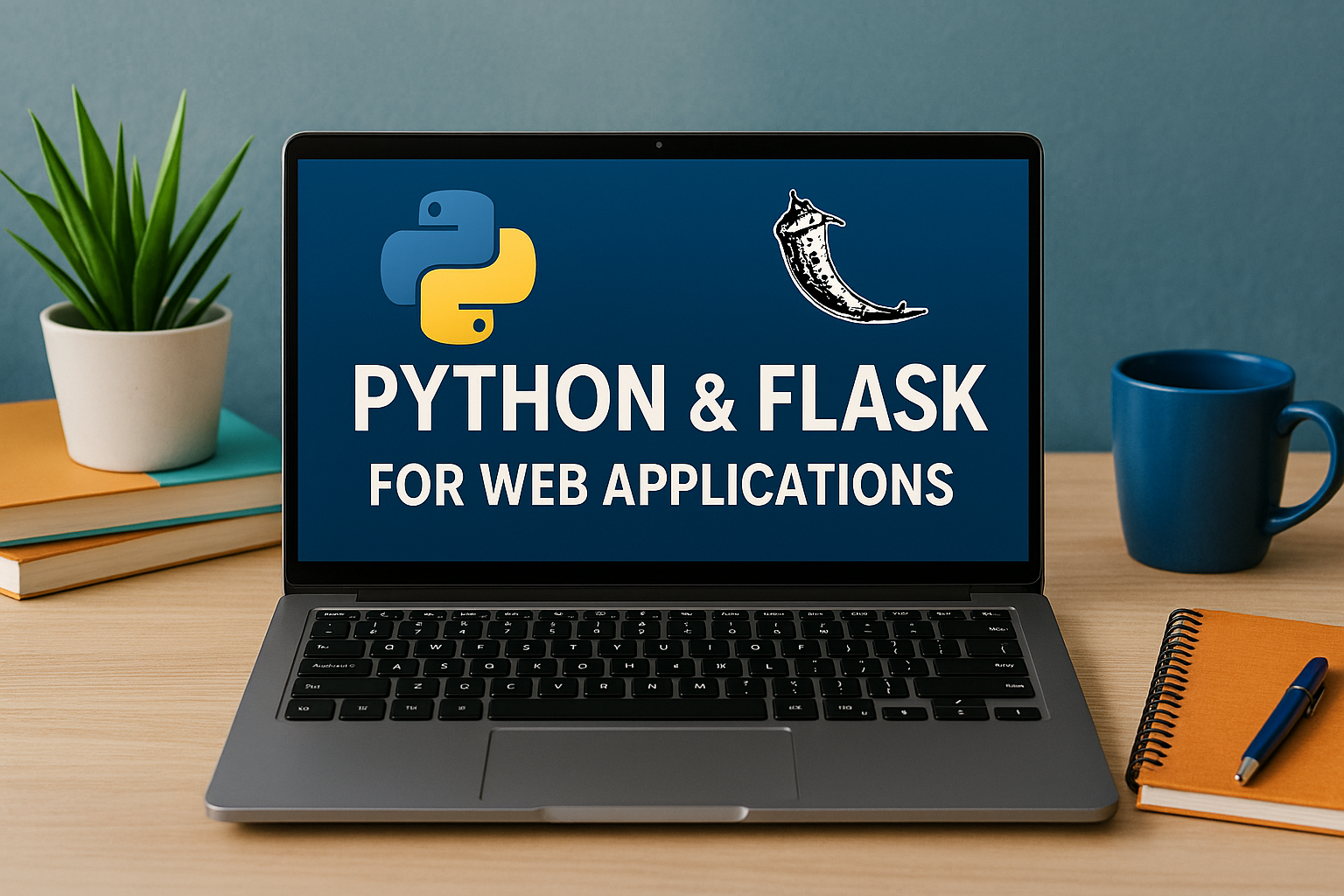
That’s why many organizations are choosing Python and Flask for building modern web applications.
From startups to enterprises, this technology combination offers speed of development, scalability, and long-term sustainability.
This article explains:
Why Python has become a dominant backend language
What makes Flask ideal for web applications
Business advantages of this tech stack
How it compares to traditional frameworks
When businesses should choose Python and Flask
The Rise of Python in Business Applications
Python has become one of the most widely adopted programming languages globally.
Why businesses prefer Python:
Clean and readable syntax
Faster development cycles
Strong ecosystem and libraries
Large developer community
Excellent support for AI and automation
It is used by companies like:
This widespread adoption signals long-term stability and reliability.
For businesses, this means lower hiring risk and future-proof technology.
Why Flask Is Gaining Popularity
Flask is a lightweight web framework built on Python. Unlike heavy frameworks, Flask gives developers flexibility and control.
Key advantages of Flask:
1. Lightweight and Minimal
Flask does not enforce rigid architecture. Developers can structure applications according to business needs.
2. Faster Development
With fewer built-in constraints, development cycles are shorter — reducing time-to-market.
3. Scalability
Flask works well for:
Startups launching MVPs
Growing SaaS platforms
Enterprise-grade APIs
4. API-First Architecture
Flask is ideal for building RESTful APIs, making it perfect for:
Mobile applications
SaaS products
Microservices architecture
Business Benefits of Python + Flask
1. Cost-Effective Development
Python’s simplicity reduces development time. Less development time means lower cost.
For startups and SMEs, this is a major advantage.
2. Faster Time to Market
Businesses can launch MVPs quickly, test ideas, and iterate rapidly.
In competitive markets, speed equals survival.
3. Scalability for Growth
Flask allows businesses to start small and scale without rewriting the entire system.
With proper architecture and database optimization (e.g., PostgreSQL and SQLAlchemy), applications can handle increasing traffic efficiently.
4. Strong Security Capabilities
Flask supports:
Secure session management
CSRF protection
Integration with modern authentication systems
When implemented correctly, Python-based systems are highly secure and reliable.
5. Integration with AI and Automation
Since Python dominates AI and machine learning, businesses planning future AI integrations benefit from choosing Python early.
Whether it’s:
Chatbots
Data analytics dashboards
Automation workflows
Python makes integration seamless.
Comparison: Flask vs Traditional CMS-Based Systems
Many businesses start with CMS platforms. However, as operations grow, limitations become clear:
| CMS-Based Systems | Python + Flask Applications |
|---|---|
| Plugin-heavy architecture | Clean, optimized codebase |
| Slower performance | Lightweight and fast |
| Limited scalability | Highly scalable |
| Security risks via plugins | Controlled security architecture |
For businesses planning long-term digital growth, custom backend development offers stronger control and flexibility.
When Should a Business Choose Python and Flask?
Python and Flask are ideal when:
You are building a SaaS platform
You need custom dashboards or portals
You require API integrations
You expect high scalability
You want clean, maintainable code
You plan future AI integration
However, simple brochure websites may not require such architecture. Technology choice should align with business goals.
Frequently Asked Questions (AEO Optimized)
Is Python good for web application development?
Yes. Python is widely used for scalable and secure web applications.
Why choose Flask over other frameworks?
Flask is lightweight, flexible, and ideal for custom applications and APIs.
Is Flask suitable for large-scale applications?
Yes. With proper architecture and database optimization, Flask applications can scale efficiently.
Is Python future-proof for businesses?
Yes. Python’s adoption in AI, automation, and backend systems ensures long-term relevance.
Final Thoughts
Businesses are moving toward Python and Flask because they offer:
Flexibility
Scalability
Cost efficiency
Faster development cycles
AI-readiness
Technology decisions directly impact long-term growth. Choosing the right backend stack is not just a technical choice — it is a strategic business decision.
At Sibz Solutions, we build scalable web applications using Python, Flask, PostgreSQL, and modern architecture principles to help businesses grow confidently in the digital era.