
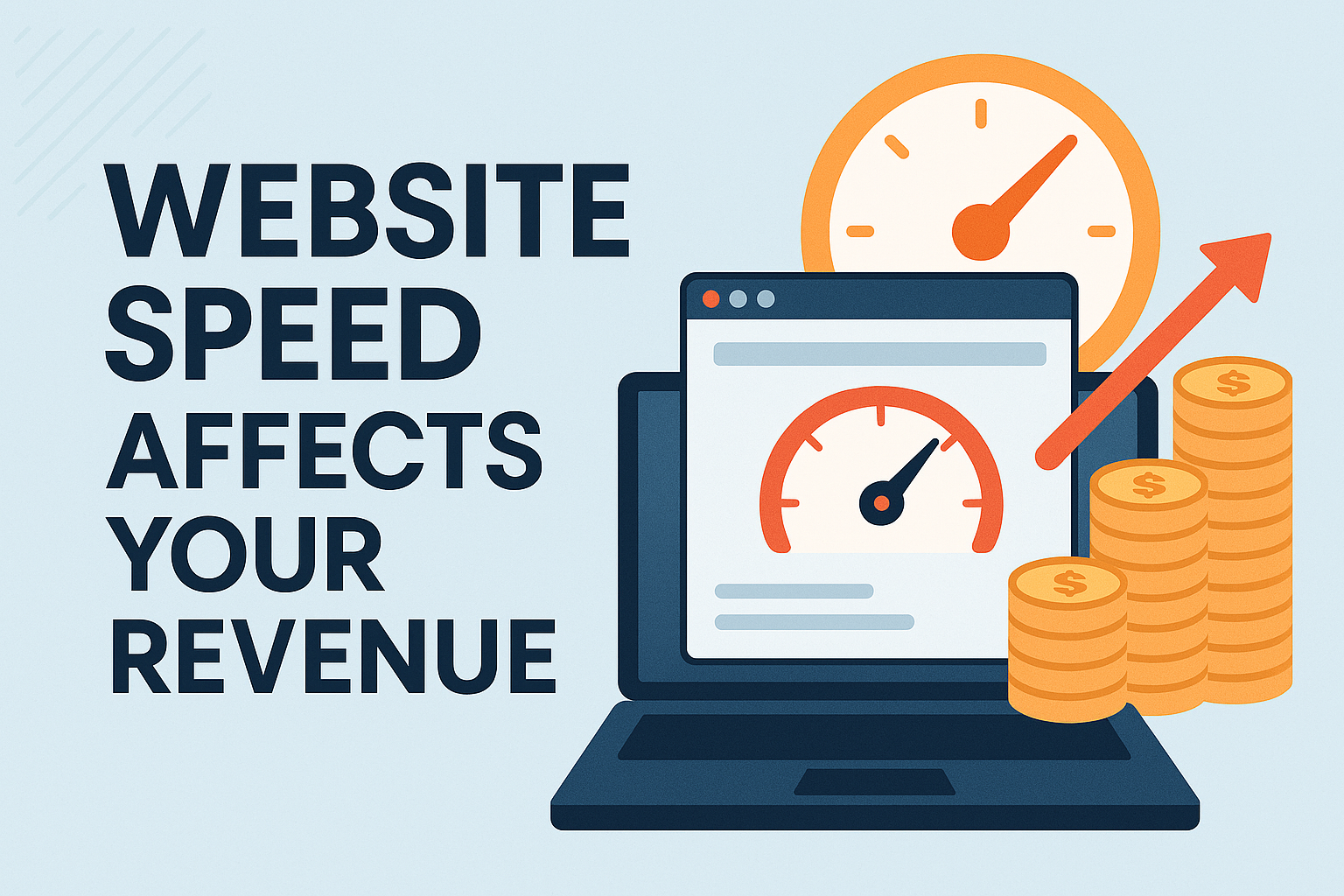
In today’s digital economy, website speed is not just a technical metric — it is a direct revenue driver.
Research from Google shows that as page load time increases, bounce rates increase dramatically. Even a one-second delay can significantly reduce conversions.
If your website is slow, you are not just losing traffic — you are losing revenue.
At Sibz Solutions, we have seen businesses increase conversions simply by improving performance through optimized hosting, clean backend architecture, and structured SEO implementation.
The Direct Connection Between Speed and Conversions
Website visitors expect fast, seamless experiences.
Studies indicate:
53% of mobile users leave a site that takes more than 3 seconds to load.
A 1-second delay can reduce conversions by up to 7%.
For businesses investing in SEO Services and Digital Marketing Solutions, slow performance can cancel out all marketing efforts.
Speed impacts:
Lead form submissions
Checkout completions
Appointment bookings
Call inquiries
If you are working on improving visibility through Search Engine Optimization but your website loads slowly, rankings and conversions both suffer.
Website Speed Is a Google Ranking Factor
Google has officially confirmed that page speed affects rankings through Core Web Vitals.
These include:
Largest Contentful Paint (LCP)
Interaction to Next Paint (INP)
Cumulative Layout Shift (CLS)
Businesses that invest in professional Web Development Services often see improved Core Web Vitals scores because performance optimization is built into the development process.
If your site fails these metrics:
Rankings decline
Organic traffic drops
Cost per acquisition increases
Slow Websites Increase Paid Advertising Costs
If you are running campaigns on:
Google Ads
Meta Ads
Your landing page speed directly affects Quality Score and conversions.
Even if your ads are optimized by experts offering PPC Management Services, a slow landing page will:
Increase bounce rate
Lower conversion rate
Waste ad spend
Website performance optimization ensures your paid campaigns generate maximum ROI.
The Revenue Multiplier Effect of Speed
Let’s look at a practical scenario.
If your website gets:
10,000 visitors/month
2% conversion rate = 200 conversions
Improving performance may increase conversion rate to 3%.
Now you get:
300 conversions
That’s a 50% revenue increase without increasing traffic.
Businesses focusing on both Website Design & Development and performance optimization often see better ROI than those focusing only on traffic growth.
Mobile Performance: The Biggest Revenue Factor
More than half of web traffic comes from mobile devices.
If your website is not optimized with:
Image compression
Clean code structure
CDN integration
Scalable backend systems
You are losing mobile users first.
Our Backend Development Solutions focus on building scalable architectures using modern technologies like Python, Flask, PostgreSQL, and optimized APIs to ensure long-term speed and stability.
What Commonly Slows Down Websites?
Many websites underperform because of:
Cheap shared hosting
Excessive plugins
Unoptimized images
No caching system
Heavy JavaScript files
Poor database queries
A professional Website Audit Service can identify these bottlenecks and provide actionable improvements.
How to Improve Website Speed
Here are proven ways to improve website performance:
1. Upgrade Hosting Infrastructure
Use reliable and scalable hosting instead of low-cost shared plans.
2. Implement Advanced Caching
Server-side and browser caching reduce load time significantly.
3. Optimize Images and Media
Use modern formats like WebP.
4. Minify and Defer Scripts
Reduce render-blocking resources.
5. Use a CDN
Deliver content from geographically closer servers.
6. Optimize Backend Architecture
Modern development frameworks and optimized database queries improve scalability.
If you are planning a new project, investing in professional Custom Web Development ensures performance is built from day one.
Frequently Asked Questions
Does website speed really affect revenue?
Yes. Faster websites increase conversions, reduce bounce rates, and improve advertising ROI.
Is website speed a Google ranking factor?
Yes. Google uses Core Web Vitals as ranking signals.
What is the ideal website load time?
Under 2–3 seconds, especially on mobile devices.
Can improving speed increase revenue without more traffic?
Yes. Higher conversion rates mean more revenue from the same number of visitors.
Final Thoughts
Your website is your digital storefront. If it is slow, it is silently costing you:
Sales
Leads
Rankings
Customer trust
Advertising efficiency
Speed optimization is not a technical luxury — it is a business growth strategy.
At Sibz Solutions, we combine performance-focused SEO, scalable web development, and backend optimization to build websites that generate measurable revenue.